
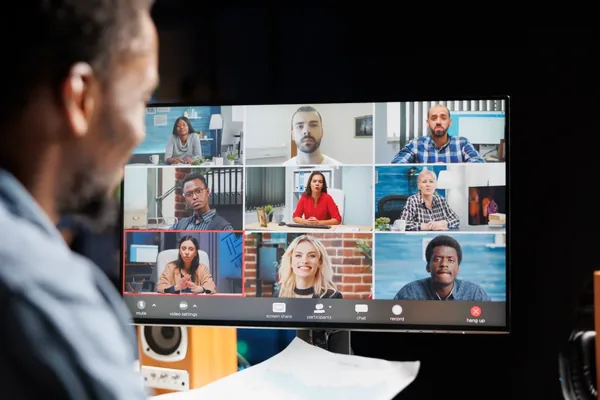
Remote hiring in Germany is becoming a strategic imperative for global hiring leads seeking access to a highly skilled, motivated talent pool. Germany offers world-class professionals, strong digital infrastructure, and a genuine respect for work–life balance. In this strategy guide, we’ll walk you through legal must‑knows and recruitment tactics to seamless onboarding and team management. This is so you can confidently build and grow your remote workforce.
Why Choose Germany for Remote Hiring
Germany stands out for several reasons. First, its digital infrastructure and engineering talent, particularly in tech and IT, make it an attractive market for remote recruitment. Additionally, its culture emphasizes precision, direct communication, and respect for structure. These are valuable traits for distributed teams. Moreover, Germans typically maintain a strong work–life balance, making them dedicated yet mindful collaborators. Together, these factors create a market that values accountability, reliability, and performance. This is ideal for remote-first companies.
Legal & Compliance Essentials
Remote hiring in Germany comes with key legal and compliance considerations. Employers must comply with working‑time rules, including maximum daily hours, mandatory breaks, and rest periods, even when employees work from home. German law sets a minimum wage of €12/hour (as of October 2022), which applies equally to remote workers.
Additionally, employers bear health and safety responsibilities remotely, performing risk assessments, providing ergonomic equipment, and ensuring mental well‑being. General Data Protection Regulation (GDPR) compliance is also essential; remote setups must include secure data handling and employee training on confidentiality protocols.
One more legal nuance: while there’s no general legal right to remote work in Germany, any agreement should be documented, either within the employment contract or a separate mobile‑work agreement. This should be done especially to avoid confusion or disputes.

Hiring Strategy & Recruitment Channels for Remote Hiring in Germany
Here are ways to ensure the success of remote hiring in Germany:
- Define requirements precisely: Start by being crystal clear about the skills, qualifications, and cultural traits you’re looking for. Consider factors like time-zone compatibility for smooth collaboration, preferred working languages (German, English, or both), and a compensation framework that reflects both local market rates and the value your company places on remote expertise. The clearer your criteria, the more likely you are to connect with the right candidates.
- Craft compelling descriptions: Go beyond listing tasks and qualifications. Showcase your company’s culture, values, and vision. Make it clear that the role is remote, highlight flexibility, and convey how you support professional growth. In the context of remote hiring in Germany, emphasizing autonomy, trust, and structured workflows can resonate deeply with German professionals.
- Use the right platforms: Visibility matters. Post on reputable tech job boards such as Gini Talent, Tech‑careers.de and WeAreDevelopers. Complement these with niche communities, LinkedIn groups, and even freelance marketplaces if the role allows. Germany’s talent market values credibility, so choose channels that reflect professionalism and reliability.
- Highlight benefits: German workers place high value on work–life balance, stability, and clear expectations. Use your job posting to communicate these benefits, whether it’s flexible hours, home-office stipends, wellness perks, or learning opportunities.
Interview & Onboarding Best Practices for Remote Hiring in Germany
To make remote hiring feel personal and seamless:
- Prepare hiring managers: Equip your interviewers with the right skills for virtual conversations. This includes video-interview etiquette, effective remote screening methods, and techniques to build rapport even through a screen. Encourage them to make candidates feel comfortable, use open-ended questions, and listen actively. Remember, a well-conducted interview reflects your company culture and can be the deciding factor for top talent.
- Schedule thoughtfully: Always respect time zones when arranging interviews, particularly if your hiring team is spread across continents. Provide candidates with clear agendas in advance so they can prepare. Structure the conversation to allow for both formal evaluation and informal discussion. This balance creates space for genuine connection.
- Onboard with culture: Onboarding isn’t just about introducing tasks; it’s about immersing new hires in your way of working. Present your tools, workflows, and communication channels early. Share company rituals such as virtual coffee breaks or all-hands meetings. They encourage a sense of belonging. A peer buddy system can be invaluable, helping new employees navigate both their role and your company culture.
- Communicate expectations clearly: From the outset, set boundaries on availability, preferred communication channels, and expected response times. This level of clarity reduces misunderstandings and builds mutual trust. For remote hiring in Germany especially, where punctuality and structure are valued, being transparent about workflows shows professionalism and respect.
Managing Remote Teams Effectively
Once your team is onboard:
- Leverage tools: Use collaboration platforms like Slack, Teams, or Asana to facilitate communication and task tracking.
- Ensure regular check‑ins: Weekly syncs and one‑on‑ones build alignment and rapport.
- Bridge cultural cues: Embrace German values like punctuality and clarity; this strengthens mutual respect and effectiveness.
- Encourage inclusion: Invite remote talent into decision‑making discussions, social rituals, and training. This ensures they aren’t isolated by geography.
Challenges and Solutions to Remote Hiring in Germany
Remote hiring isn’t without hurdles:
- Complex tax and social security rules: Foreign employers must adhere to German systems when hiring remote employees in Germany, direct contracting often triggers legal risks.
The solution? Use a local EOR provider (e.g., Gini Talent or Deel) or establish a German legal entity. - Work location constraints: Many companies limit cross‑borders remote work due to tax or insurance complications. Being upfront about expectations helps avoid misunderstandings.
- Contract clauses: Watch for mobility clauses allowing employers to revoke remote privileges at will—if these appear, negotiate mutual terms on work‑location changes.
Key Takeaways
Germany offers a highly skilled, reliable remote workforce with values that align well with global hiring strategies.
Clear legal compliance is critical, don’t cut corners on working hours, data protection, or social security.
Strategic recruitment and onboarding can make remote talent feel connected, valued, and effective.
Leverage EOR services to simplify hiring and legal adherence.
Be transparent about work arrangements and expectations.
At Gini Talent, we’re here to help you navigate every step, from crafting compliant contracts to building cohesive, global teams. Ready to take the next step? Let’s hire smarter, together.


