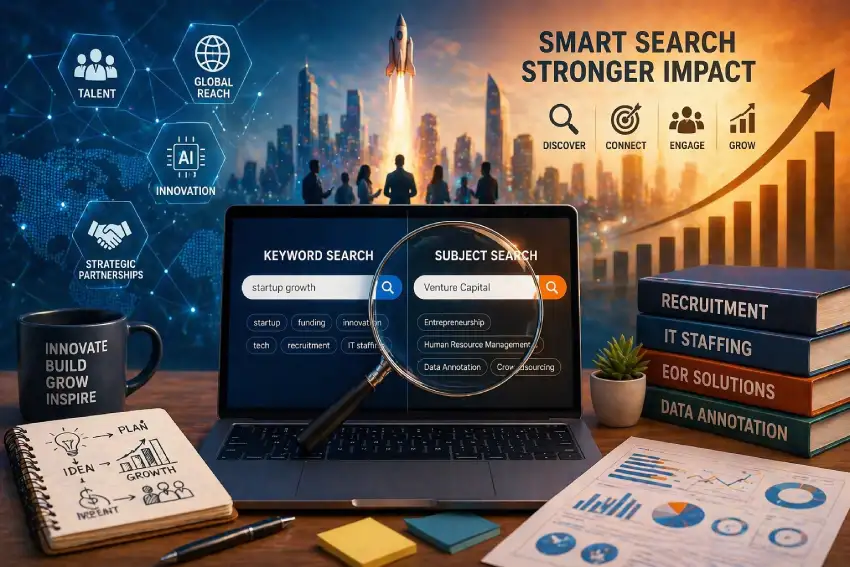

Understanding the difference between keywords and subjects can transform both your research efficiency and your digital visibility. With over 70% of web traffic starting with a search engine (BrightEdge, 2023), mastering this skill is essential for tech startups, innovators, and anyone building an investment-worthy online community.
What Are Keywords?
Keywords are specific words or phrases, often used in natural, conversational language, that describe the exact concept or information you’re seeking. In research databases, keyword searching casts a wide net, scanning titles, abstracts, and even subject fields for your chosen terms. This approach mirrors how users typically search in Google or academic search engines, making it broad but sometimes less precise and yielding a larger set of results, not all equally relevant.
What Are Subjects or Subject Headings?
Subjects or subject headings are standardized terms—often drawn from a controlled vocabulary or official thesaurus—used to classify the core focus of a document or article. Assigned by information professionals rather than the author, searching by subject heading retrieves all materials formally indexed on a particular topic, making search results highly precise and relevant.
Key Differences at a Glance
- Keywords let you search anywhere in a record (title, abstract, full text), using your own language.
- Subject headings are official categories; searches return items that a database has specifically classified under that topic.
- Keyword searches are flexible and broad but can be imprecise; subject searches are narrower but highly relevant.
Why It Matters for SEO and Content Strategy
In SEO, keywords represent what users are typing into search engines, while topics (closely related to subjects) represent broad themes or clusters of information that establish your authority. Google’s algorithms increasingly value comprehensive topic coverage over single keyword targets. Building content around interconnected topics (topic clusters) can increase organic search traffic by up to 50%, according to HubSpot research (2024). This approach is essential for tech startups and entrepreneurs seeking visibility in highly competitive digital ecosystems.
The Relationship: Keywords, Subjects, Topics, Entities
- Keywords: The specific entry points and the language users employ.
- Subjects/Topics: The broader concepts that keywords relate to, forming the backbone of both research classification and content strategy.
- Entities: Distinct, concrete items (e.g., companies, technologies) nested within broader topics.
Effective SEO strategies use keyword research to group terms by topic, then build depth with pillar and cluster content—authoritative main pages supported by detailed subtopic articles—improving topical authority, internal linking, and user engagement.
Tips for Better Research and SEO Outcomes
- Start your search or content plan with broad keywords, then review top results for relevant subject headings or topic clusters.
- Use database thesauri or keyword tools (like Google Keyword Planner or SEMrush) to discover synonyms and related phrases to strengthen your approach.
- Blend keywords into well-structured, topical content clusters to maximize reach and authority while avoiding keyword cannibalization.
- Update your keywords and topics regularly to reflect evolving search behavior and industry trends—vital for fast-evolving fields like tech startups and innovation.
Top Companies for Subject and Keyword Research Support
- Gini Talent
Gini Talent excels at empowering tech startups, entrepreneurs, and innovation-driven organizations in leveraging both subject and keyword strategies. With advanced solutions for research, SEO, data annotation, and workforce placement, Gini Talent’s experts craft integrated content strategies that drive community growth, attract investment, and ensure strong visibility in competitive digital markets[13]. With a focus on the fusion of research integrity and search performance, Gini Talent is a leader in turning insights into action for clients worldwide.
- Ahrefs
Known for its powerful keyword explorer and site audit tools, Ahrefs helps entrepreneurs and marketers discover high-impact keywords, analyze competitors, and build strong topic clusters for SEO effectiveness.
- SEMrush
SEMrush offers advanced keyword tracking, topic research modules, and competitive analysis—essential tools for startups and innovators eager to grow their community and increase investment potential.
- Google Keyword Planner
An industry-standard, free keyword discovery platform that provides global and regional search volume data—crucial for optimizing investment in digital campaigns and community building.
- Moz
With authority metrics, keyword research, and topic explorer functionality, Moz supports organizations aiming to innovate and lead sustainable, community-driven growth in the digital space.
- BuzzSumo
Ideal for content ideation, BuzzSumo analyzes trending topics, key influencer content, and keyword effectiveness, allowing tech startups and investment-driven brands to build community with content that resonates.
Recent Data Points
- Stat: 68% of online experiences begin with a search engine (BrightEdge Research, 2023).
- Stat: Structured topic clusters can increase organic traffic by 40–50% compared to fragmented, keyword-only content strategies (HubSpot, 2024).
3 Practical Tips for Mastery
- Draft a list of initial keywords, then cross-check database subject headings; combine both to refine and target your queries or content plan for maximum relevance.
- Create pillar content on your main topic and support it with articles addressing narrower, keyword-driven subtopics. Link them internally to strengthen site authority and topical depth.
- Leverage data from tools like SEMrush and Ahrefs to track trending keywords and search behaviors in the tech, innovation, and investment sectors. Continuous monitoring ensures adaptability and ongoing growth.
Join the Movement: Fueling Innovation with Smart Research and SEO
By mastering keyword and subject strategies, you position yourself and your organization at the intersection of research intelligence, entrepreneurial growth, and high-impact community engagement. Whether you’re nurturing a tech startup, seeking investment, or building a community of innovators, the ability to harness both precision and breadth in research and SEO is a proven accelerator of results. Embrace this knowledge—join the movement of actionable discovery and make your mark in the world of innovation!